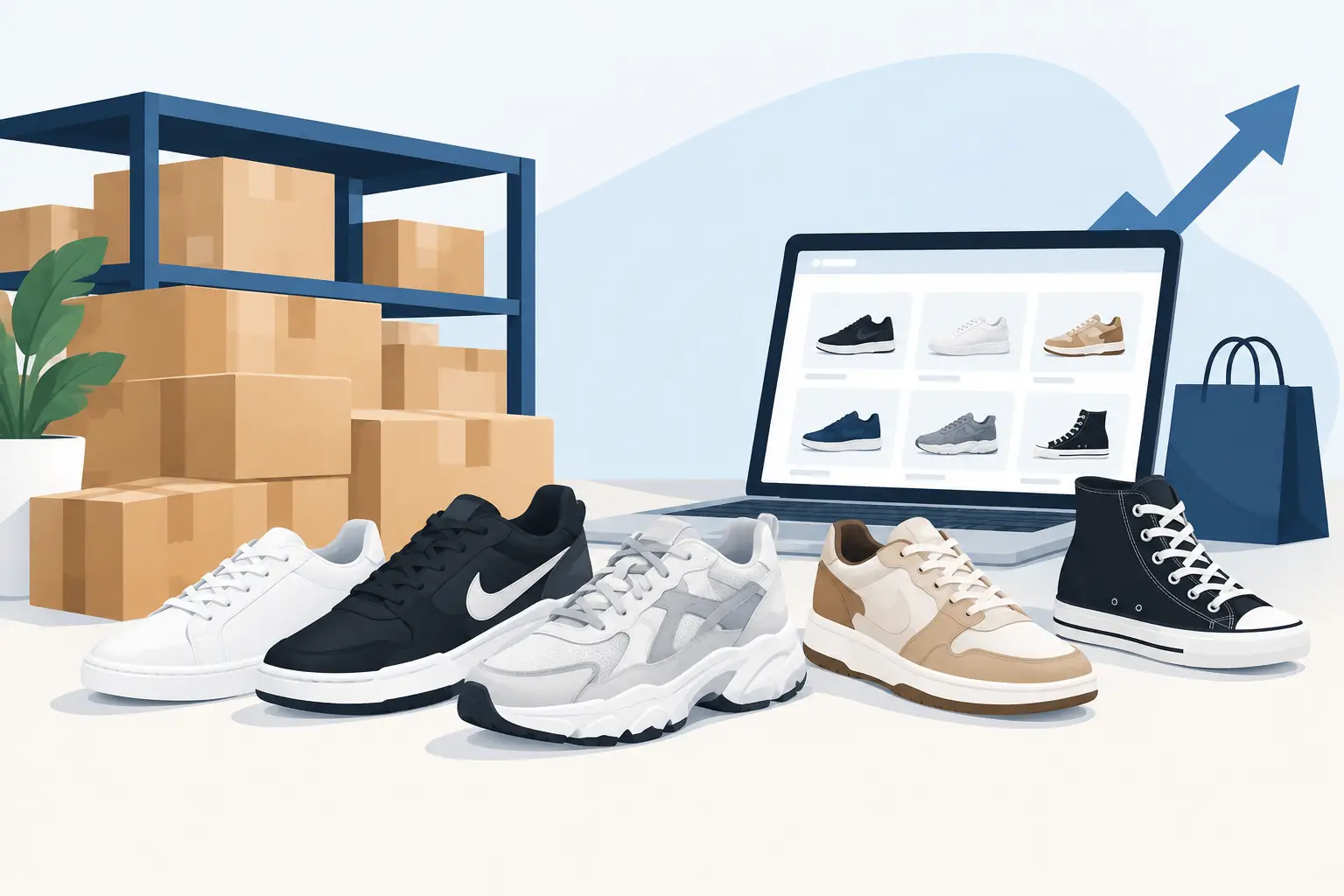
A pallet of shoes can look profitable on paper and still sit in storage for months. The difference is rarely just the brand name. Resellers who consistently earn from footwear buy inventory with recognizable demand, sellable condition, workable size runs, and pricing that leaves room for every cost after delivery. The best wholesale shoes for resellers are the pairs your customers already know how to shop for – and that you can accurately list, display, or move locally without guessing what is inside the pallet.
Footwear is one of the strongest resale categories because buyers replace shoes year-round. Families need kids’ sizes. Workers need durable boots. Athletes and casual shoppers want sneakers. But it is also a category where condition, missing pairs, and incomplete manifests can destroy a projected margin fast. A smart shoe purchase starts with visibility, not hype.
What Makes Wholesale Shoes Worth Reselling?
A good wholesale shoe pallet should answer basic business questions before you buy it: What styles are included? Which sizes are represented? What condition are the pairs in? What is the realistic resale value, not the original retail sticker? If those answers are unclear, the low pallet price may simply be hiding a higher risk.
Look for inventory that is inspected, graded, and accurately described. Real product photos matter because they show whether boxes are crushed, whether styles are current, and whether the inventory is mostly one type of shoe. A detailed manifest gives you the item-level information needed to set resale prices before your shipment arrives.
The right grade depends on your selling channel. New overstock in original packaging may command stronger prices online or in a boutique-style store. Shelf-pull inventory with light box wear can be excellent for discount retail. Customer returns can work for experienced sellers who have a process for inspecting pairs, matching sizes, and separating minor cosmetic issues from unsellable merchandise.
Do not confuse estimated retail value with guaranteed profit. Retail pricing is a reference point, not your payout. Your real opportunity is the spread between your landed cost and the price your market will actually pay.
Best Wholesale Shoes for Resellers by Category
The highest-performing footwear category depends on where and how you sell. A flea-market seller, an online marketplace operator, and a local discount store may all profit from different inventory mixes.
Branded Sneakers and Casual Shoes
Recognizable sneakers and casual athletic shoes are usually the first category resellers look for, and for good reason. They have broad demand across age groups, photograph well for online listings, and can move through local pickup, social selling, pop-up events, and retail storefronts.
The trade-off is competition. Common branded styles may not bring premium prices, especially when large retailers are running promotions. Focus on clean condition, popular adult and youth sizes, and styles that still look current. A pallet with a balanced mix of men’s, women’s, and kids’ shoes can help you reach more buyers, but only if your sales channel can handle varied inventory.
Work Boots and Safety Footwear
Work boots are often a dependable resale category because buyers purchase for need, not just fashion. Construction workers, warehouse employees, outdoor workers, and tradespeople frequently look for durable footwear at a discount. Waterproof, steel-toe, composite-toe, slip-resistant, and insulated styles can be particularly attractive when the condition is clearly represented.
This category rewards honest descriptions. If a pair shows wear, has no original box, or has a minor cosmetic flaw, say so. Buyers who rely on their boots for work care about fit, function, and value. Clear listing details reduce returns and protect your seller reputation.
Kids’ Shoes
Kids outgrow shoes quickly, which creates repeat demand for affordable name-brand footwear. This can be an efficient category for local resale shops, family-focused social selling, and bundle offers. Parents are often less concerned about perfect boxes than they are about clean, durable pairs at fair prices.
Size organization is the key. A mixed pallet becomes harder to sell when every pair is piled together. Sort by toddler, little kid, and youth sizing as soon as inventory arrives. Bundling similar-size shoes or offering multi-pair discounts can turn slower individual listings into faster cash flow.
Sandals, Slides, and Seasonal Footwear
Warm-weather footwear can move quickly in spring and summer, particularly in areas with long hot seasons. Sandals, slides, water shoes, and casual slip-ons are lower-cost purchases for consumers, so they can perform well at discount pricing. Winter boots, insulated footwear, and rain boots follow the same logic in colder months.
Seasonal inventory is not automatically a bad buy outside its peak. It may be cheaper when demand is down. The question is whether you have the storage space and working capital to hold it until the selling season returns. If cash flow is tight, prioritize products you can sell now.
Dress Shoes and Fashion Footwear
Dress shoes, heels, flats, and fashion boots can create strong margins, but they are more style-sensitive than athletic shoes or work boots. Trend, color, heel height, and size availability all affect demand. A beautiful pair in an unpopular size can take longer to move than a basic sneaker with a lower ticket price.
This category works best for sellers who understand their local customer base or already have an online audience for women’s fashion. Buy it with good photos and a clear manifest, not based solely on a high original retail value.
Condition Can Matter More Than the Brand
A recognizable logo does not fix a missing mate, severe sole wear, odor, stains, or a damaged closure. Before committing to a footwear pallet, review the grade definitions carefully. New, like-new, shelf-pull, open-box, and customer-return inventory each carry different labor requirements and price expectations.
New overstock is generally the easiest to list and sell, but it often costs more upfront. Returns can offer a lower entry cost and higher upside, but only when you have time to inspect inventory. Check for matching pairs, correct sizes, intact soles, laces, inserts, straps, and functioning zippers or fasteners. If you cannot efficiently process returns, a lower-cost pallet can become wasted money.
At Euro Liquidation Hub, manifested footwear inventory is built for buyers who want to make decisions with real details instead of taking a blind gamble. When you can see the product mix, condition information, and actual photos, you can buy for your resale model rather than hoping a mystery pallet works out.
Calculate Margin Before You Add to Cart
Do not price a shoe pallet from the estimated retail total alone. Start with your total landed cost: pallet price, shipping, applicable taxes, marketplace fees, packaging, labor, storage, and expected losses from damaged or incomplete pairs. Then estimate a realistic selling price for each condition tier.
For example, a new branded sneaker may sell at a stronger percentage of retail than an open-box pair. A lightly worn return may still sell locally at a discount, while a pair with heavy wear may have little resale value at all. Build that expected loss into your buying decision before you place the order.
A useful rule is to identify your fast sellers and your recovery inventory. Fast sellers generate cash quickly. Recovery inventory includes lower-value pairs, uncommon sizes, damaged boxes, or seasonal styles that may require markdowns or bundles. A profitable pallet has enough fast sellers to cover the cost of the entire buy before you rely on every last pair.
How to Choose the Right Shoe Pallet for Your Sales Channel
Your sourcing strategy should match your route to market. Online sellers benefit from brands, clean photography, accurate sizes, and manageable individual shipping costs. Local discount stores can move a wider range of box-damaged and shelf-pull inventory because shoppers can inspect and try on pairs. Flea-market and pop-up vendors often do well with value-priced sneakers, sandals, kids’ shoes, and work boots that customers can take home immediately.
If you are new to liquidation, start with a manifested pallet in a category you understand. It is easier to judge the resale potential of everyday sneakers or kids’ shoes than a mixed load of unfamiliar fashion footwear. Once you know your average selling price, sell-through rate, and processing time, you can expand into returns or broader mixes with more confidence.
Avoid buying too much variety just because it looks exciting. A focused pallet can be easier to price, organize, market, and replenish. Inventory that fits your customer base will outperform a larger assortment that sends you chasing buyers in every direction.
Buy Inventory You Can Explain to Your Customers
Footwear reselling is not about finding a pallet with the biggest claimed retail number. It is about buying pairs you can inspect, price honestly, and sell with confidence. Choose visible inventory, understand the grade, account for all costs, and match the shoes to the customers already buying from you. When every pair has a clear path to resale, your next pallet becomes inventory – not a storage problem.